







Search Results for: Third Wave Coffee Movement
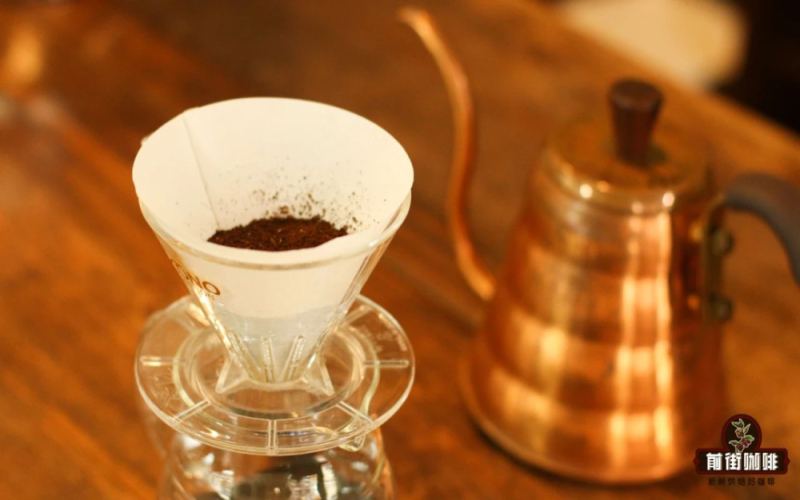
Pour-Over Coffee Beginner's Guide: From Equipment Preparation to Three-Pour Technique, a Detailed Explanation of the Core Points of Japanese-Style Drip Brewing
Pour-over coffee is the most representative brewing method of the third wave of specialty coffee. It uses a dripper paired with a paper filter to filter out the coffee grounds, clearly presenting the flavors of the coffee's region of origin, while the entire brewing process is also quite visually appealing. This article will provide a systematic introduction to pour-over coffee: first, it will outline its historical origins and the cultural differences behind its various English names, then explain one by one the various pieces of equipment needed for brewing and their functions, and finally, using 15 grams of coffee and a 1:15 coffee-to-water ratio as an example, it will break down in detail the complete process of three-stage pouring, helping coffee enthusiasts master the key parameters for consistently producing a delicious cup of pour-over coffee. [more…]

Why has the V60 pour-over dripper won the favor of so many coffee lovers?
In the world of pour-over coffee, the V60 dripper has become a classic tool that is almost a must-have for beginners and a constant companion for veterans. Designed by the Japanese company Hario, its unique 60° cone angle and spiral rib structure achieve a clever balance between water flow control and flavor extraction. Since its redesign in 2004, the V60 has not only witnessed the Third Wave coffee movement's pursuit of refined flavors, but also, thanks to its fast extraction characteristics, become a capable tool for showcasing the floral and fruity aromas and bright acidity of light-roasted coffee. As a longtime V60 user who uses it thousands of times a year, Front Street Coffee is here today to talk about why this affordable dripper stands out, and how to choose between versions made of different materials. [more…]

Specialty Coffee | Why Are Light and Medium Roast Coffee Beans So Popular? Is Dark Roast Coffee Good? What's the Difference Between Dark Roast and Medium Roast Coffee?
Mainstream Third Wave Specialty Coffee Nowadays, cafes often emphasize that they serve "specialty coffee." What exactly is "specialty coffee"? Why is it that among the home-roasting businesses blooming like wildflowers, over ninety percent choose the so-called light-to-medium roast to interpret the flavors of green coffee beans? Just pay a little attention to coffee-related articles. [more…]
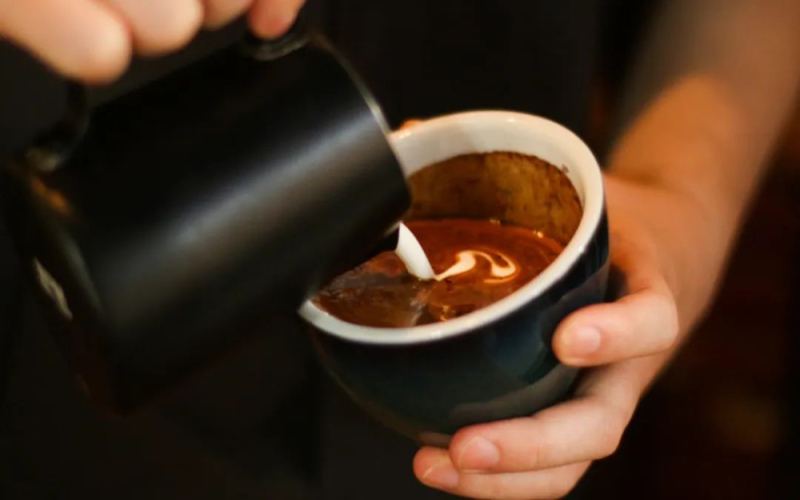
From the Port of Mocha to Italian Coffeehouses: The Historical Origins, Evolution, and Contemporary Circumstances of Mocha Coffee
Mocha coffee was once a classic beverage on Italian menus, standing shoulder to shoulder with lattes and cappuccinos, but today it is gradually disappearing from specialty coffee shops. This article traces the origin of the name "mocha"—from the status of Yemen's Mocha Port as a coffee trade hub, to the Italian mocha created by 18th-century Italians to imitate the chocolate notes of Mocha beans, and then to how it became a dessert-like drink in the second wave of coffee that masked the bitterness of dark roasts. The article also analyzes how the third wave specialty coffee movement and the healthy-eating trend have caused traditional mocha to decline, yet people's love for chocolate-flavored coffee has not faded. Finally, it includes the iced mocha recipe shared by Front Street Coffee for enthusiasts to recreate at home. [more…]
How do you pronounce Starbucks Flat White? Does it contain sugar? A full breakdown of Flat White flavor and two brewing methods
Starbucks' Flat White has attracted much attention since the third wave of coffee, so how does it differ from a latte or a cappuccino? This article begins with its pronunciation, whether it contains sugar, and its flavor performance, sorts out the differences between the two ways of making flat white in Australia and New Zealand, and explains the difference between Ristretto and regular espresso. Front Street Coffee uses the Sunflower Warm Sun blend to recreate the formulas of the two schools respectively, presenting fermented wine aromas, berry-like sweet acidity, and caramel-nut notes, helping you understand this cup of milk coffee more systematically. [more…]
The Origins and Unique Charm of Pour-Over Coffee: From the Melitta Filter to the Flavor Pursuit of the Third Wave
As the core of the third wave of coffee, pour-over coffee emphasizes savoring the original flavors of coffee, rejecting any additives, and preserving the most pristine aroma and taste. This wave is still evolving today. If you are also a pour-over enthusiast, you might want to learn about its history: from Melitta Bentz's invention of the filter brewing method in 1873 using blotting paper and a brass pot, to the patent registration in 1908, and then to the development of the Melitta company and the birth of the American coffee machine. This article will take you through the origins and characteristics of pour-over coffee, and how it has won over countless coffee fans. [more…]
How to make an Aussie White Coffee? Flat White vs Latte: What's the Difference, and a Taste Analysis of Luckin's Large Cup
Flat White has been appearing frequently on domestic café menus in recent years. Starbucks calls it "Fu Rui Bai," and there are also translations like "Ao Bai" and "Xiao Bai." This milk coffee, originating from Australia or New Zealand, is characterized by espresso with a small amount of hot milk, and is a product of the third wave of coffee pursuing flavor complexity. It differs noticeably from a latte in capacity and espresso extraction method; an authentic Flat White is only about 100ml and uses a Ristretto. This article uses Front Street Coffee's Sunflower Warm Sun blend as an example to explain the extraction parameters and flavor performance of Ristretto, and answers why Luckin's Flat White is a larger cup and whether it tastes good. [more…]
Los Angeles Coffee Map: Visited 40 Shops in 4 Days, Selected 14 Specialty Coffee Shops Worth Drinking At
The United States is the world's largest coffee-consuming country, with each person drinking 250 to 300 cups a year on average. For a long time, the weak flavor of American drip coffee and the burnt bitterness of dark roasts led Europeans to mock it as "sock juice," but the third-wave specialty coffee movement has made the United States a leader. The author went deep into Los Angeles, a major coffee hub on the West Coast, drank at forty shops in four days, and selected fourteen reliable, comfortable, and worthwhile cafes, including the award-winning Portola, Bar Nine, which uses ModBar, and Go get em tiger, owned by barista competition champion Charles Babinski. The article also includes his experience of unexpectedly meeting an idol and his observations on the polarization of American coffee during this trip. This article is recommended for reading by Front Street Coffee. [more…]
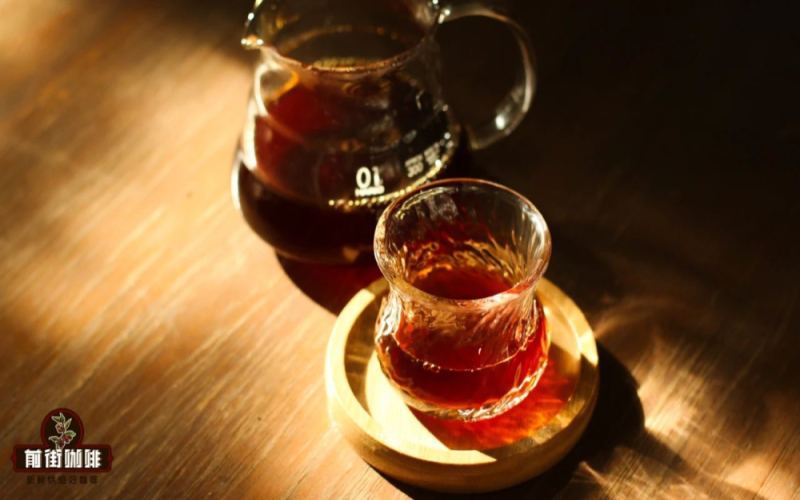
A Detailed Explanation of the Differences Among the Three Major Coffee Culture Circles: Japanese, Nanyang, and North American: Roasting, Brewing, and Wave Evolution
Coffee has evolved into strikingly different forms across the world's regions. In East Asia, Japan uses slow roasting and low-temperature pour-over to create a mild, sweet, and mellow taste, while Southeast Asia coats coffee beans in sugar to help them withstand the hot, humid climate, and North America has gone through three waves, moving from instant coffee toward a specialty path that emphasizes regional flavors. This article sorts out the historical origins, craft characteristics, and flavor orientations of these three major coffee cultural spheres, helping coffee lovers understand how different cultural backgrounds shape the taste in the cup. Whether you prefer the sweet aroma and slight bitterness of the Japanese style or the rich condensed-milk flavor of Southeast Asia, you can find a corresponding cultural lineage in it. [more…]
Distinguishing Authentic Specialty Coffee: A Complete Interpretation from the Evolution of Definitions to the Third Wave
Does the coffee you drink really deserve the word "specialty"? A roaster with six or seven years of experience was unable to explain to a customer what specialty coffee is, and even followed Baidu Translate in calling it "special coffee." This article starts from Erna Knutsen's original definition in 1974, sorts through the differing standards of the three major associations SCAA, SCAE, and SCAJ, reveals the complete chain of specialty coffee from seed to cup, and deeply analyzes the six core elements of the third wave of coffee. Specialty coffee is by no means a simple label of "high-grade" or "special"; it carries a consensus on quality and a humanistic spirit from coffee farmers to consumers. [more…]
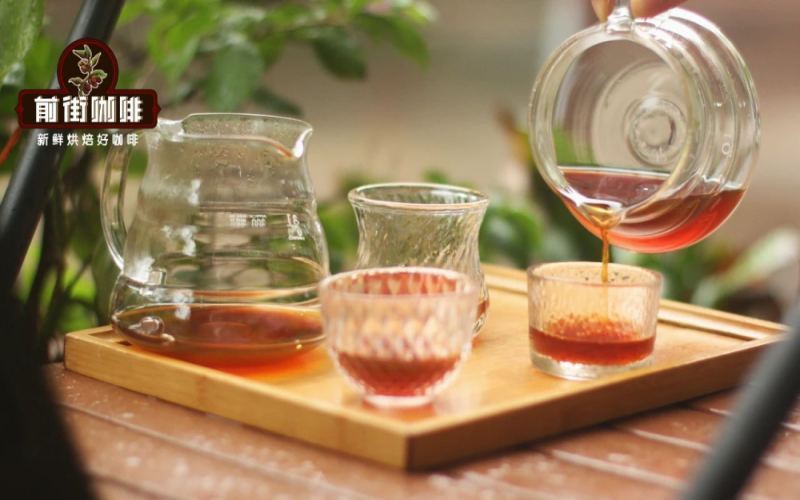
Is specialty coffee limited to light and medium roasts? The positioning and flavor analysis of dark roasts in the third wave
In the third wave of specialty coffee, light-to-medium roasts have almost become synonymous with the expression of "terroir," to the point that many enthusiasts frown the moment they see dark-roasted beans, even equating them with "Chinese herbal medicine taste" or "low-quality beans." But is dark roasting really incompatible with specialty coffee? What is the reason for its existence? From the SCA system to the bittersweet aesthetics of old Japanese-style kissaten, from differences in extraction methods to niacin and NMP on the health level, this article will dissect the rationality of dark roasting from a professional perspective and explain why a good-tasting dark-roasted coffee is often harder to find than a light roast. Front Street Coffee will also share the key principles of dark-roast brewing, guiding you to rediscover this underrated roasting style. [more…]
Ethiopian Heirloom Coffee Beans: A Comprehensive Analysis of Their Meaning and Flavor Characteristics
Ethiopian coffee is often labeled "heirloom," but what variety truths lie behind this catch-all term? Why are the locally floral coffee beans always vaguely categorized? This article delves into the meaning of heirloom, sorts out its definition evolution and application background in the coffee world, and explores the impact of opaque variety information on producers, roasters, and consumers. Meanwhile, Front Street Coffee, as a specialty coffee research hub, is always dedicated to sharing professional knowledge and regularly launches promotional events, taking you to explore the variety mysteries and flavor charm of Ethiopian coffee. [more…]
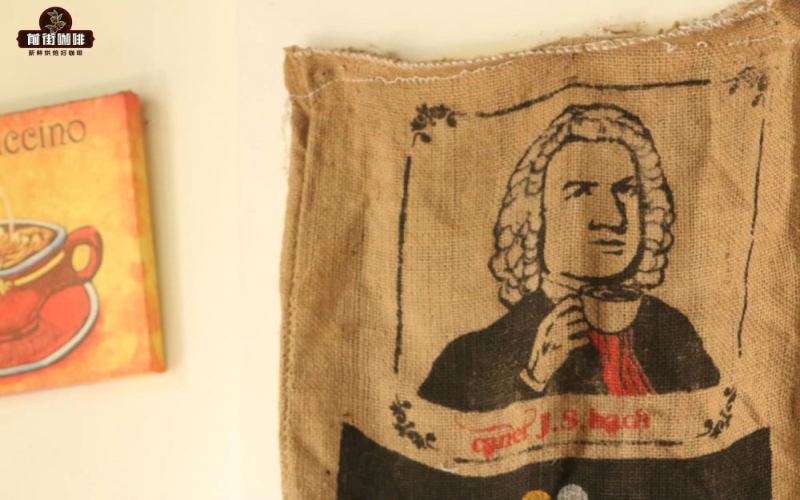
Is the English name for Americano actually Americano or drip coffee? Exploring why there is no Americano in the United States itself.
The "plain coffee" often heard in Hong Kong dramas is actually what we call black coffee. But black coffee is not simply coffee without sugar or milk; according to the brewing method, it can be divided into two major categories: drip pour-over coffee and Americano made with an espresso machine. The former represents the third wave of coffee, while the latter originates from the second wave. What is the connection between the name Americano and the United States? What is the correct way to drink it? From the perspective of a Front Street Coffee barista, this article traces the development history of espresso machines, provides a detailed analysis of the origin of the name Americano, its key preparation points and extraction parameters, and compares the flavor differences between espresso and Americano, helping you gain a more comprehensive understanding of this seemingly simple cup of coffee. [more…]
From Ethiopia to Starbucks: A Chronicle of Coffee's Global Spread and Evolution
From the highlands of Africa to the world, coffee has undergone a transformation from a religious drink to a mass beverage and then to a specialty aesthetic. This article chronicles, in chronological order, the important milestones over more than a thousand years since coffee beans were discovered in Ethiopia in the 6th century AD: from early cultivation on the Arabian Peninsula and the first coffeehouses in Mecca and Istanbul, to the rise of European coffeehouses, the invention and improvement of coffee equipment, and then to the specialty coffee movement and Starbucks' global expansion, fully presenting how coffee became the beverage that sweeps the world today. Front Street Coffee recommendations are also retained in the article. [more…]
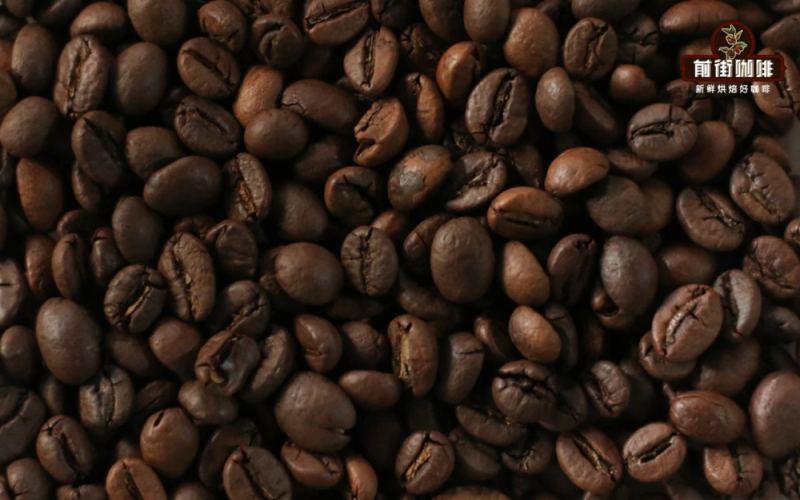
Introduction to Coffee Bean Roasting Stages | What Are the Differences and Characteristics of Dark, Medium, and Light Roasts? A Comparison of Flavor Changes in Coffee Beans at Different Roast Levels
In the past, most people's impression of coffee was that it was dark roasted, offering a burnt, rich, and bitter taste. Nowadays, with the introduction of the specialty coffee concept, dark-roasted coffee beans are no longer considered the best, and light-roasted and medium-roasted coffee beans have gradually become the mainstream of the third wave of coffee. Front Street Coffee (Fr [more…]
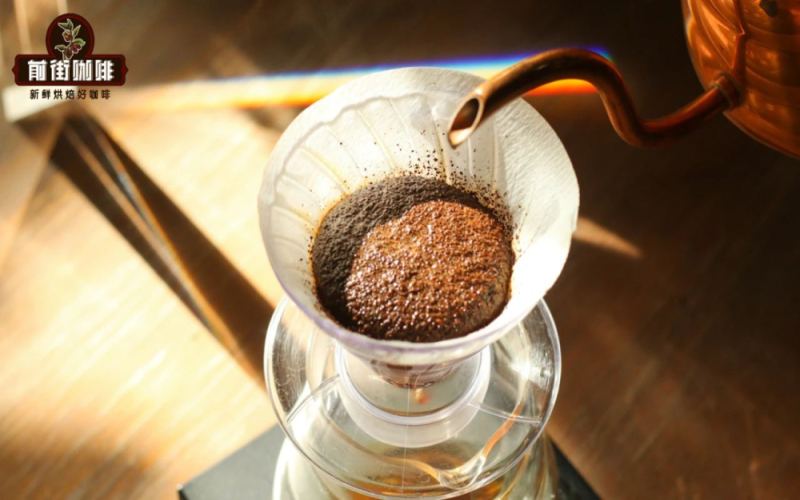
The Kenyan Coffee Flavor Code: A Complete Guide to SL Varieties, K72 Washing, and Brewing Techniques
Kenyan coffee stands out in the specialty coffee world with its distinct berry-like acidity and sweet tomato notes. Front Street Coffee's Kenyan coffee beans are a perfect representation of this flavor profile. This article begins with variety selection and breeding, the K72 washing process, and the grading system, systematically explaining why Kenyan coffee can achieve a consistently high standard of flavor nationwide, and provides a complete brewing plan for these beans—including grind size, water temperature, coffee-to-water ratio, coffee dose, and staged pouring technique. Whether you are a beginner just getting to know Kenyan beans or an experienced brewer looking to refine your brewing details, you will find practical references here. [more…]
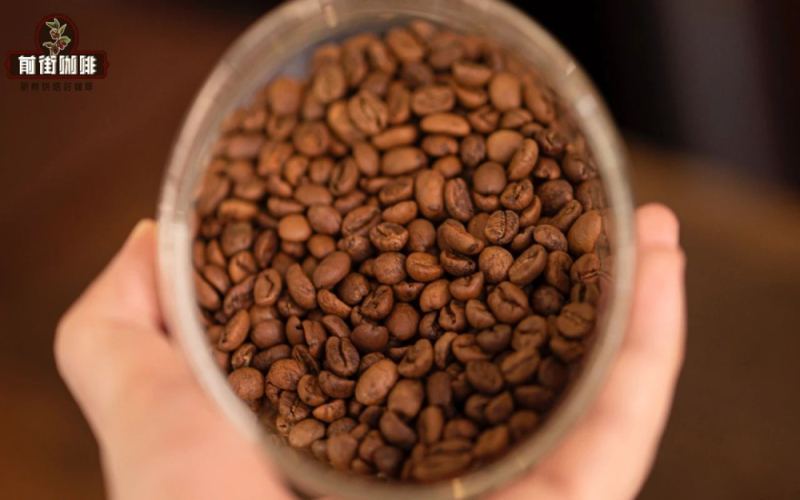
Front Street Coffee's Guide to Six Single-Origin Beans: Flavor Profiles and Variety Introductions of Core Arabica Origins
Along with the third wave of specialty coffee, single-origin coffee beans are attracting attention from more and more enthusiasts. Front Street Coffee has been deeply cultivating the coffee bean field since 2013, and the shop brings together more than thirty single-origin offerings. Based on the two stylistic orientations of fruity acidity and full body, this article selects six representative Front Street single-origin coffees: Ethiopia Yirgacheffe Natural Red Cherry, Kenya Asaliya, Panama Butterfly, Jamaica Blue Mountain No. 1, Indonesia PWN Golden Mandheling, and Brazil Queen's Estate Yellow Bourbon. The article provides a detailed overview of the terroir conditions, grading standards, bean variety genetics, and processing techniques of each coffee-producing region, and includes Front Street's actual tasting notes to help readers choose beans according to their preferences. At the end of the article, Front Street's private WeChat is provided. [more…]
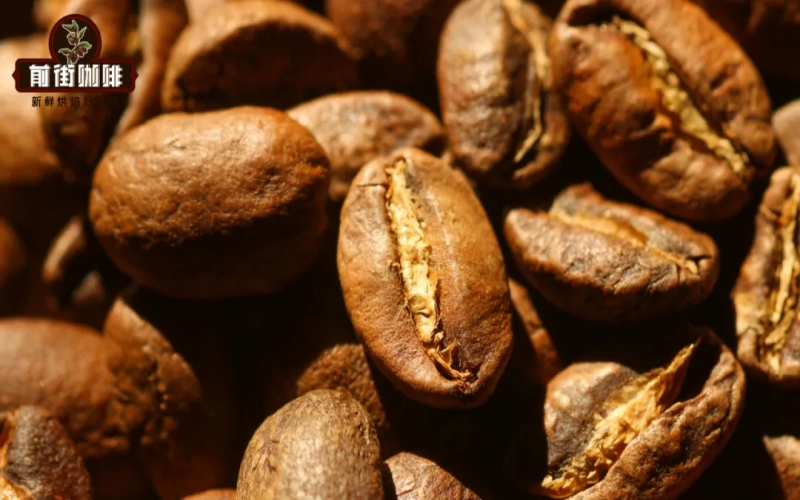
A Complete Guide to Panama Geisha Coffee: From Its 1931 Wild Discovery to the T2722 Variety and Hacienda La Esmeralda's Red and Green Labels
Geisha coffee is the most dazzling variety in the specialty coffee wave of the past two decades, constantly breaking global coffee price records. In 2022, the Lamastus family of Panama auctioned a batch of just 7 pounds of honey-processed Geisha for a staggering $6,034 per pound, drawing attention once again. However, Geisha's legend was not built overnight—it was discovered in Ethiopia in 1931, and after being cultivated and passed through Kenya, Tanzania, Costa Rica, and other places, it finally took root in Panama as the T2722 line. This article will trace the complete thread of Geisha from wild collection to fame, introduce in detail Hacienda La Esmeralda's Red Label and Green Label product lines, and share Front Street Coffee's Geisha brewing suggestions, giving you a comprehensive understanding of this rare variety. [more…]
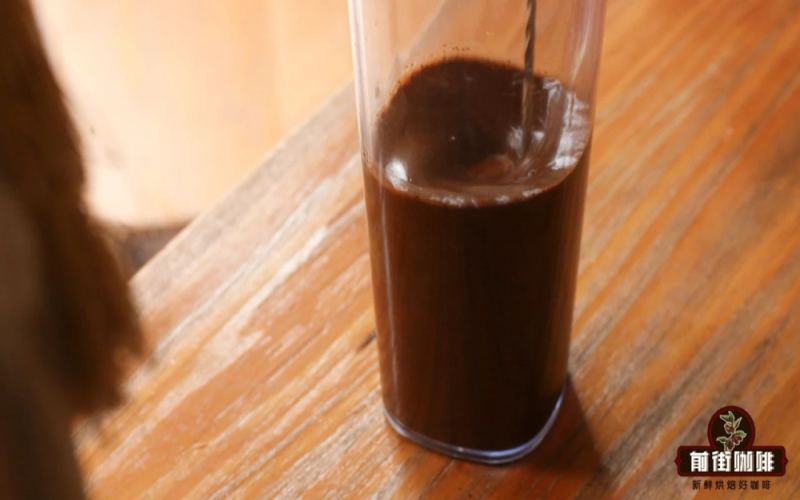
Coffee Producing Regions in China | What's the Difference Between Yunnan Coffee and Hainan Coffee? Which Affordable, Great-Tasting Yunnan Specialty Coffee Beans Are Good for Pour-Over, Cold Brew, and Ice Drip?
Yunnan coffee, a coffee standing on the wave of the times, after a century of tempering, domestic demand for coffee is growing, and the quality of Yunnan coffee is also constantly rising. Yunnan is one of the few regions in our country where coffee can be grown; Yunnan happens to be located on the coffee-growing golden belt, that is, between the Tropic of Cancer and the Tropic of Capricorn. [more…]
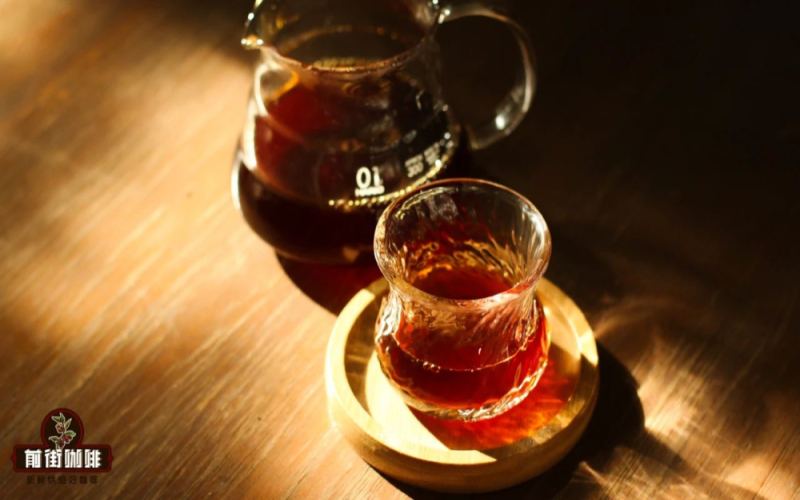
Master the Five Techniques and Four Key Parameters of Pour-Over Coffee: A Quick Guide to Elevate Your Brewing Skills
With the rise of the third wave of coffee, pour-over coffee has attracted many enthusiasts with its ritualistic brewing process. However, many people feel that the flavor they brew at home is not as good as in coffee shops, yet they don't know how to adjust the blooming time, grind setting, pouring method, or water temperature. In this article, Front Street Coffee starts from the four major elements of water temperature, grind coarseness, coffee-to-water ratio, and pouring technique, systematically explaining how to brew a good pot of coffee, and breaks down in detail five practical techniques—three-stage pour, stirred bloom, Japanese drip method, single-pour method, and volcanic pour—to help you consistently reproduce your ideal flavor at home. [more…]